
Cultural Tours in Tanzania
A Journey Beyond the Wildlife
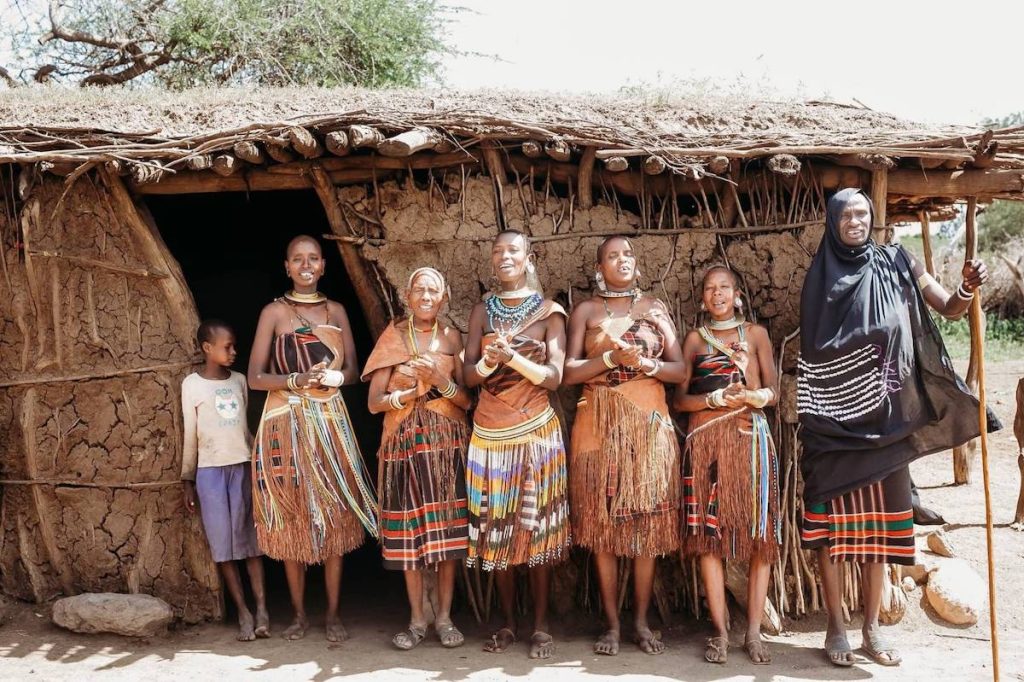
Tanzania is famous for its stunning landscapes and remarkable wildlife, but there is another side to this East African gem that often goes unnoticed—the rich and diverse cultural heritage of its people.
From the vibrant Maasai and Hadzabe tribes to the historical Swahili coast, Tanzania’s cultural tours offer an immersive experience that allows travelers to connect with the heart and soul of the country. Exploring the traditions, customs, and daily lives of Tanzania’s various ethnic groups adds a meaningful layer to any safari or adventure, making your journey truly unforgettable.
Why Choose a Cultural Tour in Tanzania?
While Tanzania’s wildlife is undoubtedly spectacular, cultural tours provide a deeper connection to the land and its people. These experiences allow travelers to step off the beaten path and engage with local communities, learning about their traditions, lifestyles, and histories. Whether it’s spending time with the Maasai warriors in the northern plains, visiting the Hadzabe hunter-gatherers near Lake Eyasi, or exploring the ancient trading routes of Zanzibar, a cultural tour offers insights that go beyond the typical safari experience.
Cultural tours not only enrich your travel experience but also contribute to the preservation of these communities by supporting local economies and helping to maintain traditional ways of life.p
Top Cultural Tours in Tanzania
1. The Maasai Experience
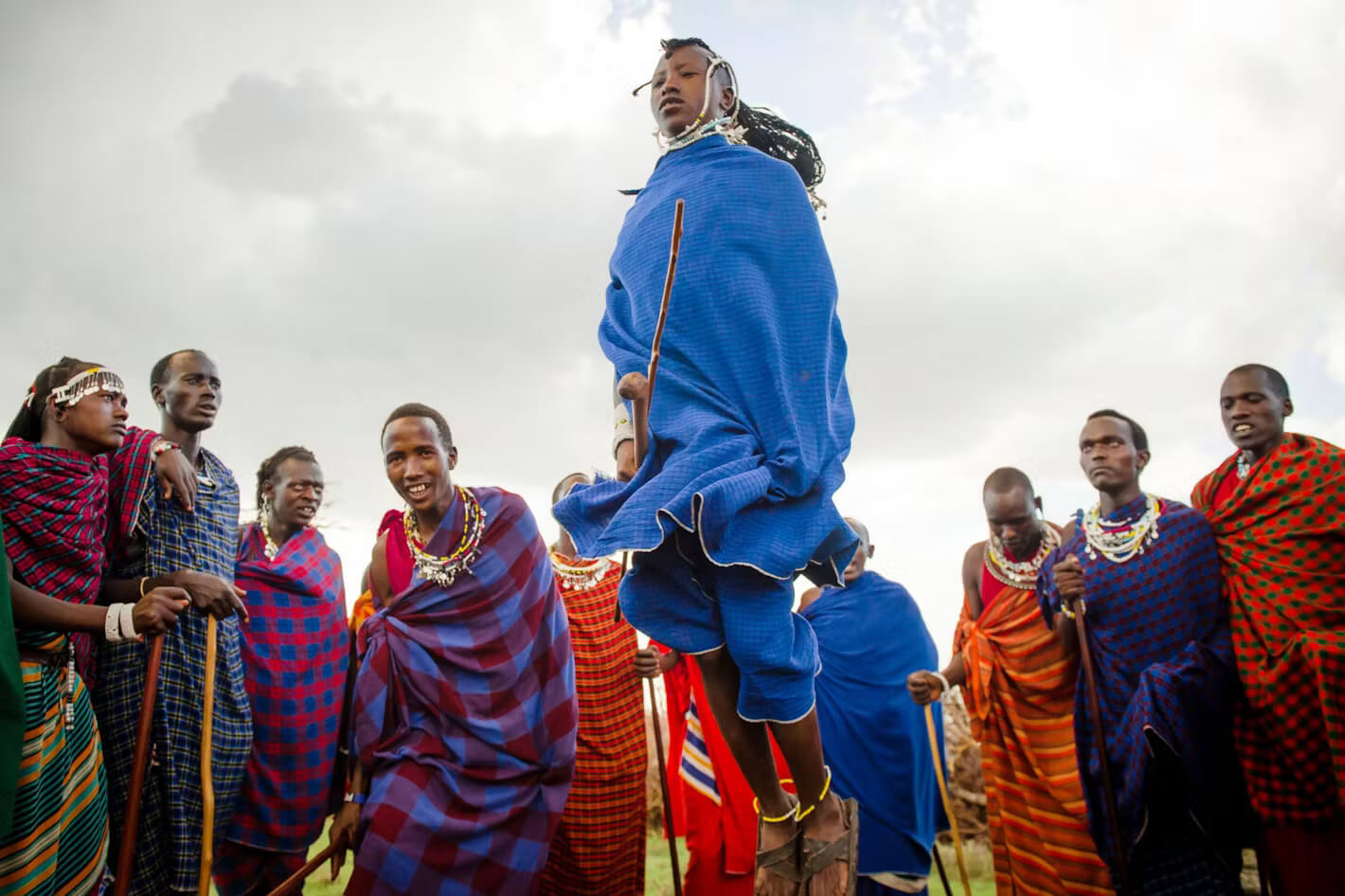
The Maasai people are perhaps the most well-known of Tanzania’s tribes, recognized for their distinctive dress, colorful beadwork, and semi-nomadic lifestyle. A visit to a Maasai village offers a glimpse into their daily life, where you can learn about their traditional customs, rituals, and cattle-rearing practices. Many tours include a chance to watch the famous Maasai jumping dance, where young warriors leap into the air in a display of strength and agility. You can also visit a traditional boma (village), interact with Maasai elders, and hear stories about their culture and beliefs.
2. The Hadzabe and Datoga Tribes
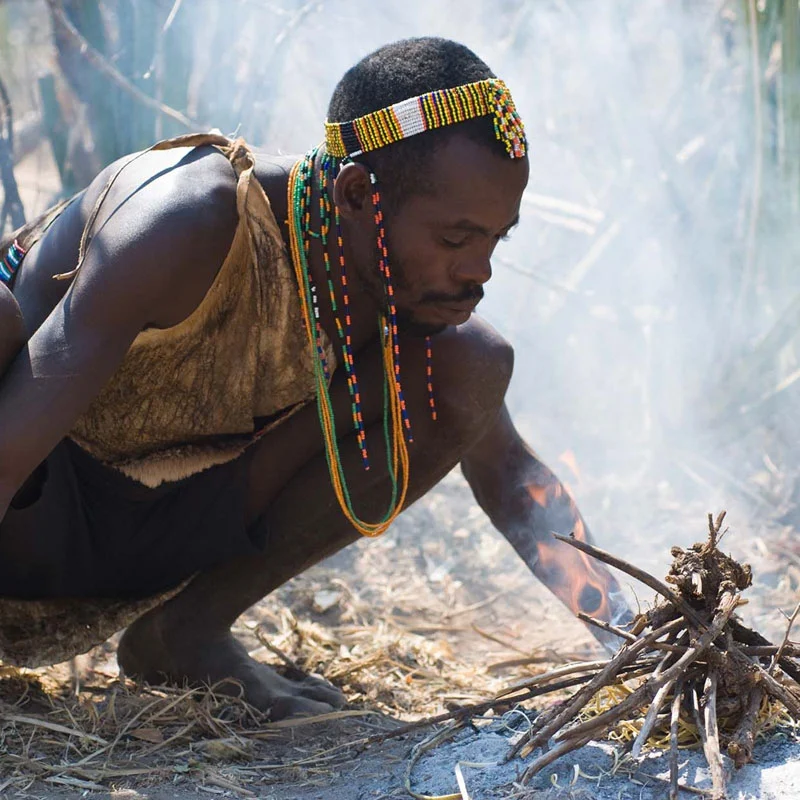
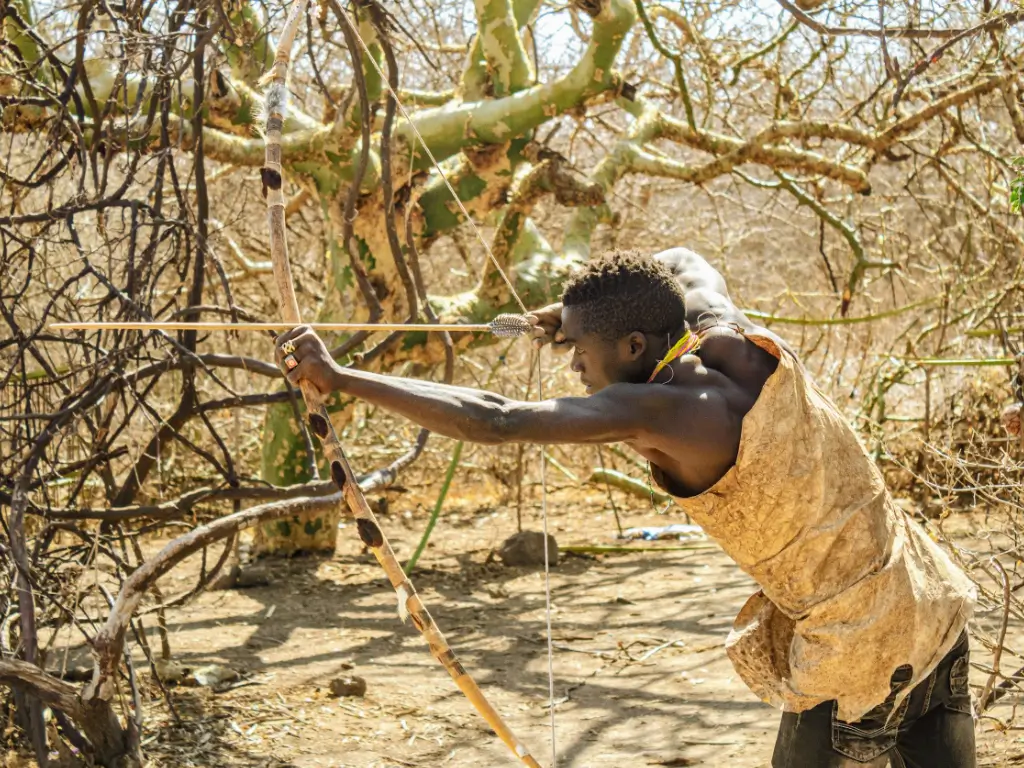
Near Lake Eyasi in northern Tanzania, the Hadzabe and Datoga tribes offer a unique cultural experience. The Hadzabe are one of the last remaining hunter-gatherer tribes in Africa, living much as their ancestors did thousands of years ago. Visitors can join them on a morning hunt, learn how they track animals, gather wild fruits, and use traditional bows and arrows. It’s a fascinating glimpse into a way of life that has changed little over the millennia.
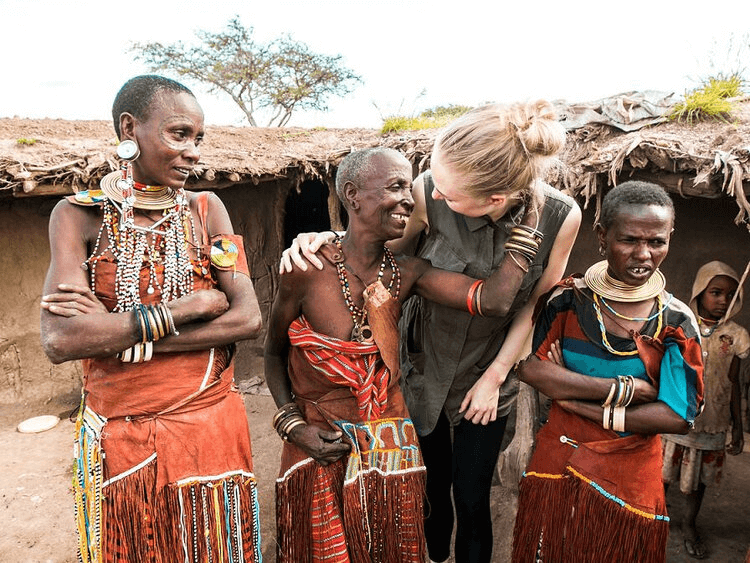
The nearby Datoga tribe are skilled blacksmiths, known for their intricate jewelry and metalwork. Visiting their village allows you to witness their metalworking techniques, as they turn scrap metal into beautiful tools and ornaments. Both the Hadzabe and Datoga are welcoming communities eager to share their traditions with visitors.
3. Zanzibar’s Swahili Culture
The island of Zanzibar is a melting pot of cultures, blending African, Arab, Indian, and European influences. A cultural tour of Zanzibar takes you through the narrow streets of Stone Town, a UNESCO World Heritage Site, where you can explore centuries-old buildings, bustling markets, and historic landmarks. You’ll discover the island’s rich history, from its days as a center of the spice trade to its dark history of slavery.
4. The Chagga People of Mount Kilimanjaro
The Chagga people live on the fertile slopes of Mount Kilimanjaro, where they have cultivated the land for centuries. A visit to a Chagga village offers an opportunity to learn about their agricultural practices, including banana and coffee farming. Many tours include a visit to a traditional Chagga house, where you can taste local dishes, hear stories of the Chagga warriors, and even learn about the tribe’s historical conflicts with the Maasai.
For those interested in history, the Chagga also have a fascinating network of underground caves that were used as hideouts during tribal conflicts. Exploring these caves provides a deeper understanding of the challenges and resilience of the Chagga people.
5. The Sukuma and Kuria Tribes
In the Mwanza region, near Lake Victoria, the Sukuma and Kuria tribes offer another rich cultural experience. The Sukuma, Tanzania’s largest ethnic group, are known for their agricultural skills and traditional dancing. Visitors can watch their energetic performances, which often feature snake dances and acrobatics. The Kuria, on the other hand, are renowned cattle herders with a distinct way of life that revolves around their livestock.
Visiting these tribes allows you to see a different side of Tanzania, where life revolves around farming, cattle herding, and strong community ties.
Practical Information
Booking Cultural Tours
Cultural tours can be arranged through most tour operators in Tanzania. Many lodges and camps offer cultural excursions as part of their safari packages.
Duration
Cultural tours can range from half-day visits to multi-day immersive experiences, depending on your interest and itinerary.
What to Expect
Be prepared for basic facilities in rural areas and dress modestly to show respect for local customs. Always approach cultural interactions with an open mind and a willingness to learn.
Responsible Tourism
Choose tour operators that practice responsible tourism and work directly with local communities. This ensures that your visit benefits the people and helps preserve their cultural heritage.
Cultural tours in Tanzania offer a rich and immersive experience that goes beyond the wildlife and landscapes. By engaging with the Maasai, Hadzabe, Chagga, and other ethnic groups, you’ll gain a deeper understanding of Tanzania’s diverse cultures and the resilience of its people.
Whether it’s dancing with the Maasai, hunting with the Hadzabe, or exploring the spice farms of Zanzibar, these cultural experiences will leave a lasting impression and add a unique dimension to your Tanzanian adventure.


